



A General Data Protection Law (LGPD) was designed to cover various industries, however, it is not possible to ignore the crucial role played by startups in its creation and implementation. Thus, the peculiar connection between startups and the LGPD stands out, arguing that the legislation only exists because of the growing impact of these innovative companies, and that the role of the lawyer in this scenario becomes extremely relevant
The advent of the marketable internet was the initial catalyst for the “Digital Transformation”, when analog (pre-digital) parameters fell and digital parameters grew exponentially.
This growth is linked to the Industrial Revolutions, so let's briefly recap their phases:
- 1st Revolution: mechanization of production (e.g. documents written by hand are now written by typewriters);
- 2nd Revolution: the production line was created and the use of electricity began (Example: the typewriter is now electric);
- 3rd Revolution: automation and computing (examples: creation of robots used in industry; development of biotechnology, etc.), and
- 4th Revolution or Industry 4.0: we have finally arrived at the world of data collection by digital means (examples: Artificial intelligence; robotics; internet of things; cloud computing etc).
Faced with the evolving context of the industry, traditional (or analog) companies had to make a choice: “adapt to the innovations brought about by technological advances or remain with their traditional business model?”. The answer was thought to be obvious, although some companies made the wrong choice. Who still remembers KODAK? Exactly, that was the result.
O crescimento do mundo dos dados para antever e tratar o querer do consumidor, levou a necessidade de criar-se dados para diversos segmento do cotidiano, como: dados de comportamento, contato, preferência por produtos, relacionamentos e outras informações passaram a ser essenciais para a tomada de decisões em tempo real.
The new needs of society and the emergence of a new exponential market have given rise to startups, which are considered to be digital native companies, as they have not only adapted to the changes, but have also driven them forward. These companies (startups), which have the digital age as their habitat, are characterized by their agility, innovation and unrestricted connection to technology.
Startups have thus become the visible face of the Digital Transformation, introducing disruptive business models that challenge traditional conventions, using the data obtained from users to generate wealth, in other words, they have turned data into the new oil.

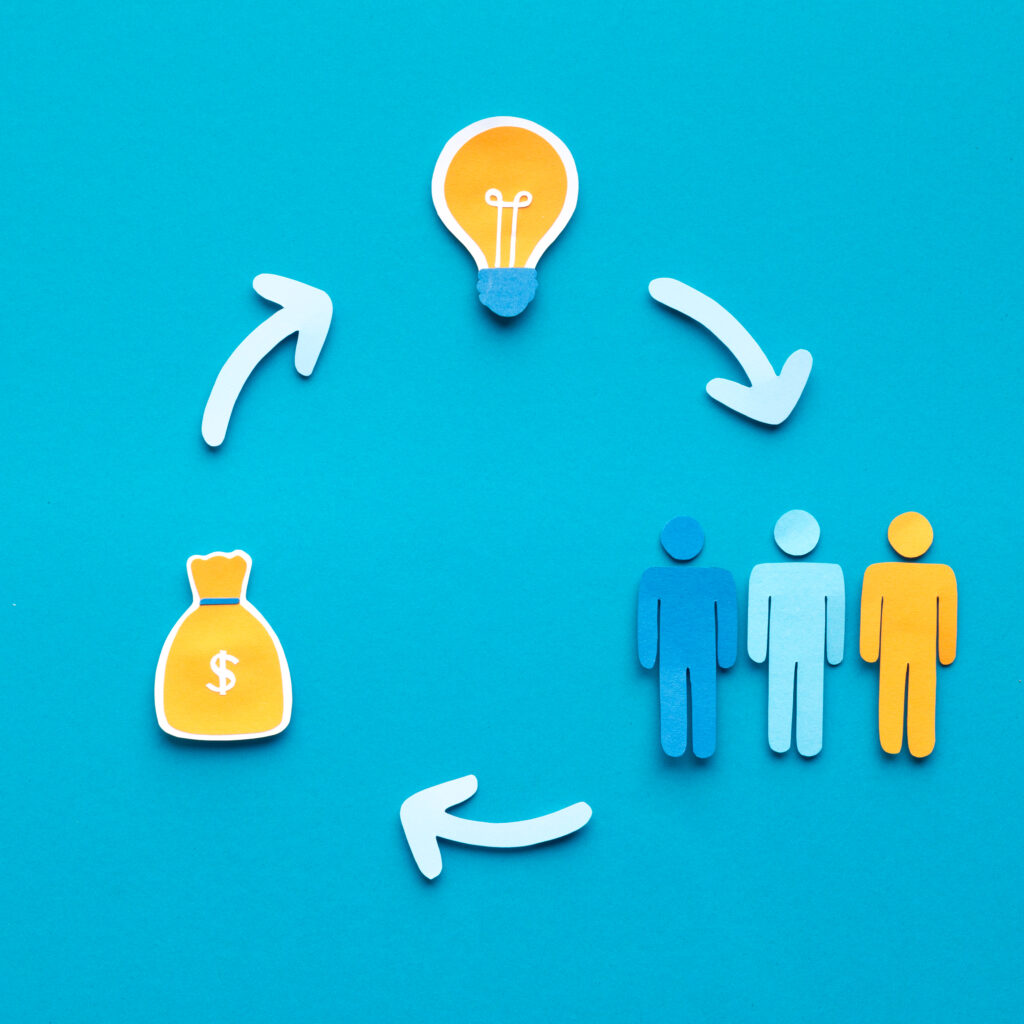
Data has become a valuable asset, driving the growth of startups, which stand out because they understand the nuances of the digital age and make strategic use of the information available, as well as how to obtain it. Successful examples include the following startups: Google, e-Bay, Facebook, Amazon, TikTok, Nubank, etc.
Mesmo que o termo “startup” possa não ser familiar para todos, qualquer empreendimento de sucesso no mundo digital segue a metodologia dessas empresas inovadoras. Isso inclui não apenas as gigantes tecnológicas, mas também influenciadores, youtubers, blogueiros, podcasters, gamers, escritórios de advocacia virtuais e muitos outros.
Therefore, it is possible to state that the essence of the business model of startups is centered on data, seeking private information to provide personalized experiences to users, however, with this incessant search for data, society has created an alert, as concerns about their personal data have grown, that is, privacy has become unprotected.